Hot summers in wood river test both patience and equipment. A house can feel comfortable or it can become a liability — higher bills, uneven rooms, and the constant low hum of a struggling compressor. Over two decades of field work fixing air conditioners, I have seen the same patterns: neglect early in life, small failures that cascade, and owners delaying repair because the upfront cost looks worse than the invoice for a higher monthly power bill. This article explains practical, energy-minded AC repair for wood river il, why timely service matters, and how B & W Heating & Cooling approaches problems differently to preserve comfort and reduce operating costs.
Why energy efficiency matters for repairs
Energy efficiency is not an abstract rating on a spec sheet. When an air conditioner loses efficiency, the consequences are immediate: longer run times, more frequent cycling, reduced lubrication in moving parts, and higher humidity inside the house. A unit that once kept a 2,000 square foot bungalow comfortable now struggles, runs for 20 to 30 percent longer each cooling cycle, and pulls significantly more electricity. For many households in wood river, that difference shows up first as a higher monthly bill, then as repeated calls to a contractor, then as a premature replacement.
Repairing with efficiency in mind preserves system life and reduces operating costs. Fixing a refrigerant leak, cleaning a condenser coil, or replacing a failed fan motor are not just band-aids, they are interventions that restore a machine to its intended operating envelope. Restoring that envelope often improves seasonal energy efficiency ratio, reduces compressor stress, and keeps humidity under control, which can prevent mold and protect finishes in the home.
How B & W Heating & Cooling diagnoses inefficiency
A careful diagnosis separates cosmetic noise from mechanical causes. I once arrived at a call where the homeowner complained about warm air in the living room while the bedrooms remained chilly. The homeowner had already replaced the thermostat. A quick check revealed a partially blocked return grille in the living room and a failing blower motor that was tripping intermittently under higher loads. Replacing the motor without addressing returns would have left the core issue. The approach is holistic: start with airflow, confirm refrigerant charge, inspect electrical components, and measure temperatures and currents.
Technicians from B & W Heating & Cooling typically perform these steps when diagnosing a system suspected of inefficiency or failure. They measure static pressure in the ductwork, record return and supply temperatures to calculate delta T, check refrigerant pressures against manufacturer's specifications, visually inspect the coil fins and the condenser fan, and run an electrical analysis on the compressor and motors. Where applicable, they also use leak detectors and dye to HVAC repair find refrigerant loss points. A diagnosis backed by measurements reduces guesswork and prevents unnecessary part swaps.
Common inefficiencies and realistic fixes
Coils that are dirty or bent: A condenser coil covered with road grime or pollen loses heat rejection capacity. Cleaning and straightening fins can restore significant performance. Depending on the level of contamination, professional coil cleaning can improve efficiency by 5 to 15 percent.
Low refrigerant charge: Refrigerant systems operate within narrow pressure-temperature relationships. A system with a slow leak will run longer, overwork the compressor, and eventually damage bearings and valves. Finding and repairing the leak, evacuating and recharging to the correct charge, and testing for pressure stability usually restores factory performance. Be cautious: simply adding refrigerant without locating the leak masks the problem.
Deteriorated capacitors and starters: A worn capacitor can make the compressor labor and draw excessive current. Replacing a failed or weak capacitor is an inexpensive repair that often brings immediate efficiency and reliability gains. Typical capacitor replacement costs a fraction of the expense of a compressor swap, and the work can be done in a hour or two for most split systems.
Faulty blower motors or fans: Reduced airflow translates directly to reduced capacity and higher humidity. Replacing a failing blower motor or replacing a worn fan blade restores design airflow rates. In some homes, balancing and sealing ducts can yield similar benefits, which is why evaluation of the duct system is part of a thorough repair.
Thermostat and control issues: Incorrect settings, location problems, or failing controls can make a system run improperly. Installing a properly placed, calibrated thermostat and, where appropriate, upgrading to an efficient programmable or smart thermostat can shave kilowatt-hours by preventing overcooling and optimizing set points during away times.
When repair is the right call, and when to consider replacement
Repair is usually the right choice when the issue is isolated, the unit is less than 10 years old, and repairs will restore most of the original efficiency. For example, replacing a compressor that has failed within an otherwise healthy 7-year-old system, paired with a new capacitor and properly matched fan, is often sensible.
However, there are cases where replacement is the better economic and practical decision. A checklist helps decide, but trade-offs matter. Consider the following five criteria when weighing repair against replacement:
Age of the system and remaining useful life. Number and cost of recurring repairs over the past few years. System efficiency rating relative to current models. Size and condition of ductwork and other house envelope issues. Cost of repair versus the expected energy savings from a new unit.
If your system is older than 12 to 15 years and requires a major repair such as a compressor, the remaining expected life may not justify the cost. New equipment today can be 15 to 30 percent more efficient than units made a decade ago, depending on the type and model. That efficiency translates to real savings in a hot summer, often enough to justify replacement when combined with fewer service calls and warranty coverage.
Practical energy-saving repairs that deliver immediate value
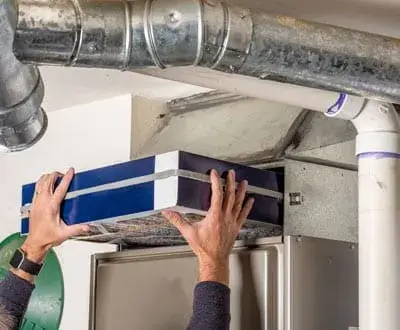
Some interventions return value quickly. Replacing filters and cleaning coils are low-cost, high-value tasks that should be done annually. Tightening electrical connections and replacing failing capacitors provide outsized improvements for relatively low material costs. Addressing duct leaks near connections, adding simple insulation to accessible duct runs, and adjusting blower speeds for optimal static pressure are mid-level interventions that cut run times and improve comfort.
One homeowner in wood river saw a 20 percent reduction in run time after a technician located and repaired a long-standing return leak and replaced a weak blower motor. The intervention cost less than half of what a compressor replacement would have been, and the subsequent two summers showed lower electric bills and no callbacks.
Seasonal maintenance: what to expect and what to insist on
A seasonal tune-up should be more than a cursory walk-through. Expect the technician to check refrigerant charge and pressures, measure amp draws on the compressor and blower, inspect contactors and capacitors, test thermostat calibration, and perform a visual inspection of the condenser and indoor coil. Airflow should be measured or inferred by comparing delta T to expected ranges for the system; a properly sized and functioning system typically produces a delta T between 16 and 22 degrees Fahrenheit on a correctly charged and clean system.
Ask the contractor to document measurements and note any deviations. A record of pressures, delta T, and amp draws taken each year becomes valuable diagnostic history and helps justify whether parts are wearing out or whether a progressive failure is likely.
How B & W Heating & Cooling approaches repairs in wood river il
B & W Heating & Cooling combines diagnostic rigor with pragmatic recommendations. The company performs a thorough upfront analysis and explains the trade-offs. For example, if a condenser coil is heavily corroded and several components are aged, the technician will present two options: perform immediate repairs to reestablish operation at current efficiency levels, or recommend controlled replacement with a cost estimate, payback analysis, and suggestions for matched indoor components.
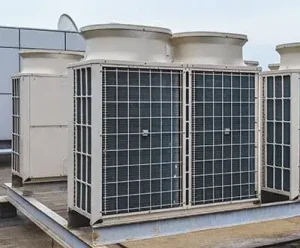
In neighborhoods near the river, equipment exposure to humid air and occasional airborne salt from road treatments can accelerate corrosion. When B & W Heating & Cooling replaces parts or an entire system, they typically recommend protective coatings for exposed coils and stainless hardware where cost-effective. Those choices add a modest upfront expense but can extend service life by several years in aggressive environments.
A note about refrigerants and regulations
Refrigerant choice matters for efficiency and compliance. Older units using R-22 refrigerant are becoming increasingly expensive to service because production is limited and prices have climbed. Where a system requires a major intervention and still uses R-22, technicians often recommend replacement because the future cost and availability risks make long-term economics unfavorable. Newer refrigerants and modern compressors are engineered for higher heat transfer and lower global warming potential, and equipment designs today often yield better capacity with lower electrical draw.
Common misconceptions homeowners have
Many homeowners believe that a higher-tonnage unit will cool faster and thus be more efficient. That is rarely true. Oversized equipment short-cycles, fails to dehumidify properly, and can wear out faster. Proper sizing and airflow ensure efficient latent and sensible load handling. Another misconception is that replacing a compressor in a 15-year-old system fully resets the clock. In reality, mismatched parts, aging coils, and older controls still constrain efficiency even with a new compressor installed.
Real-world cost examples and expected savings
Costs vary by the size of the home and the specific repair, but practical ranges help ground expectations. A capacitor or contactor replacement typically runs a few hundred dollars installed. A blower motor replacement might fall in the low hundreds to around a thousand dollars depending on motor type and access. Compressor replacement is commonly a larger expense; depending on system configuration it can range from $1,200 to $3,000 or more, partly because of refrigerant and labor considerations. A full system replacement for an average single-family home in wood river often ranges from $4,000 to $9,000 depending on equipment SEER rating, ductwork modifications, and accessory components like thermostats or indoor coil swaps.
Savings depend on baseline efficiency and usage patterns. Upgrading from a 10 SEER system to a 16 SEER unit can cut cooling energy by roughly 35 to 40 percent under comparable conditions. If a household spends $200 a month on cooling during hot months, that could translate to $70 to $80 a month saved when the system runs heavily, though actual savings vary by home insulation, thermostat behavior, and local weather.
A practical maintenance checklist for homeowners
- change or inspect filters monthly during heavy use season and replace at least every three months with quality filters that do not overly restrict airflow. keep the outdoor unit clear of debris and vegetation, and rinse the condenser fins gently during spring cleaning to maintain heat transfer. ensure thermostat location is away from heat sources and direct sunlight to avoid false high readings. schedule professional tune-ups annually before the cooling season to check charge, electrical components, and airflow. document service visits and keep a simple log of measured delta T and amperage readings for future comparisons.
When to call a professional versus a DIY fix
Simple tasks like changing filters, clearing debris around the condenser, and verifying thermostat batteries are reasonable DIY. Anything involving refrigerant, electrical components beyond breakers and fuse replacement, or internal blower and coil work requires a licensed technician. Refrigerant handling has safety and regulatory requirements, and improper handling risks greater damage to the system and higher overall cost.
Final practical advice for wood river homeowners
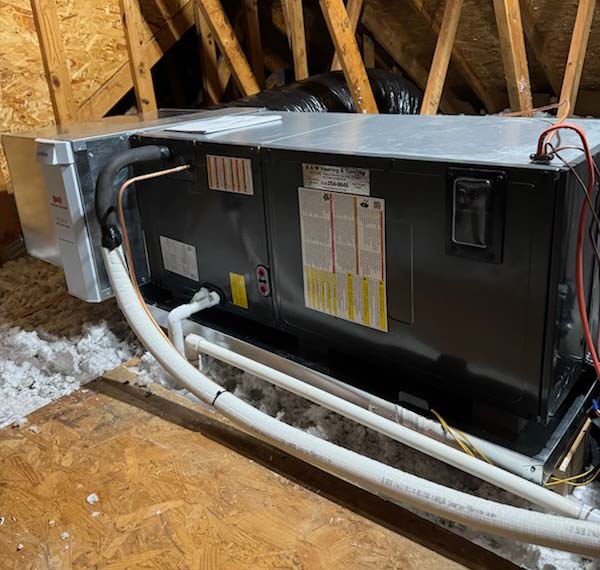
Start with preventive care. A small investment in annual maintenance keeps performance predictable and prevents the cascade of failures that lead to big bills. When you evaluate repair versus replacement, insist on measured diagnostics rather than vague assurances. Compare not only the parts and labor but also the expected impact on efficiency and the homeowner’s usage pattern. If a contractor recommends replacing the air handler or condenser, request a clear explanation of expected energy savings and a timeline for payback.
B & W Heating & Cooling brings practical field experience and measurable diagnostics to each job in wood river il. Whether it is a single component replacement that restores performance, or a recommendation to upgrade to a new, more efficient system, the goal is the same: restore reliable comfort, reduce energy waste, and make decisions based on data rather than guesswork. If a unit is worth repairing, repair to engineering standards. If it is time to replace, select equipment and installation practices that deliver real, measurable reductions in operating costs and the kind of comfort homeowners notice immediately.
B & W Heating & Cooling
3925 Blackburn Rd, Edwardsville, IL 62025
+1 (618) 254-0645
[email protected]
Website: https://www.bwheatcool.com/